Leading 7 Points To Understand About Brownish Areas
@troywbxk132
September 19, 2026 · 4 min read
Age Places: Reasons And Therapy
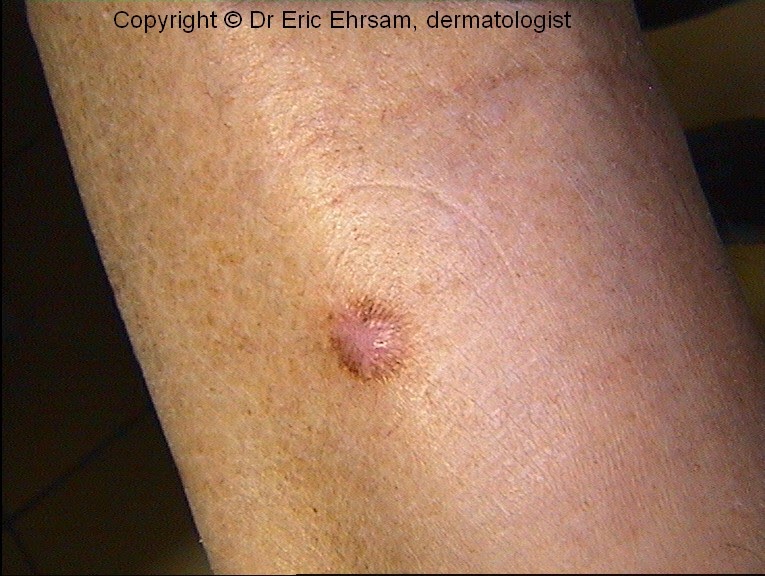
Distinguishing Age Spots From Various Other Skin Adjustments

Jobs
Therapy may consist of medical removal, chemotherapy or immunotherapy. Use sun security and have a yearly complete body check to remain healthy. Likewise, realize that the sun is most intense from 10 a.m to 2 p.m, so limitation outdoor activities throughout this moment of day.
They generally happen on sun-exposed locations, like the rear of your hands and your face. Age places are additionally called liver areas, senescent lentigo, solar lentigines, or solar flare. Prior to pursuing any kind of treatment choices for age spots, it is vital to get a correct medical diagnosis from a dermatologist. Age spots can typically be misinterpreted for various other skin disease, such as seborrheic keratoses, actinic keratoses, or perhaps skin cancer cells. A dermatologist can take a look at the spots and establish the most suitable course of action.
- When your skin is exposed to UV rays gradually, it produces excess melanin-- the pigment that gives skin its color-- as a safety action.
- Topical creams having among these active ingredients or combinations of these active ingredients are frequently utilized to fade age areas.
- Medicines such as tetracycline, sulfonamides, acne medications, some antihistamines and specific joint inflammation medications, such as quinine, might create skin to come to be sensitive to sunshine.
- Your physician may suggest a hostile treatment of Retin-A (scrubs so bleaching lotions will much better penetrate) and hydroquinone.
- Research indicates that these dark places, especially on the face, might show up due to enhanced melanin degrees in the skin brought on by cigarette smoking.
Nevertheless, some individuals might decide to have them gotten rid of for boosted looks. Chemical PeelsChemical peels are aesthetic procedures that utilize various chemical solutions to scrub your skin. Comparable to dermabrasion, the exfoliative procedure can peel away or lighten age spots, causing younger-looking and smoother skin. Topical CreamsHydroquinone (a skin lightening lotion) and tretinoin (a retinoid) are one of the most Skin Lesion Removal commonly utilized topical treatments for the treatment of undesirable dark spots. Topical creams including among these components or combinations of these components are typically used to discolor age spots. While age areas don't need medical therapy, a couple of crucial indicators can recommend it's time to arrange a visit with your medical professional or dermatologist.
These pigmentary adjustments generally start showing up in middle age, though individuals with considerable sun exposure may establish them previously. Age places are largely brought on by prolonged exposure to the sunlight's unsafe ultraviolet (UV) rays. With time, this direct exposure can bring about a buildup of melanin, the pigment responsible for skin shade. This excess melanin types dark areas or patches on the skin, frequently appearing on areas often exposed to the sun, such as the face, hands, shoulders, and arms. While sunlight direct exposure is a key factor in the advancement old areas, they can additionally happen in areas not directly subjected to the sun. Various other elements, such as genetics, can add to the formation old areas.
Age spots are generally safe and not indicative of a severe medical condition. However, it's vital to differentiate age areas from various other skin problem, such as cancer malignancy, which is a kind of skin cancer cells. Despite their name, age areas are not necessarily brought on by age. Ultraviolet (UV) light triggers the overflow of skin pigment called melanin.